
User research can definitely help us achieve learning experiences that trainees love. Most times, we “just” need to embrace the right mindset and use techniques fine‑tuned by modern digital product design teams.
We don´t need to reinvent the wheel! What we need is to focus on learning outcomes and develop a deep empathy for our trainees.
We are not our learners! The moment we think we are… we are on the “dark side of the force”.
Research versus assumption based training needs
Doing research is, at its core, to develop a deep knowledge of who our trainees are and what this means for the design of the learning experience we are crafting.
We need to build our digital products (eLearning is just an example) based on our users/trainees’ real needs, not on our assumptions. We can check this by asking ourselves some important questions:
- How did I discover the learning needs?
- Can I explain who my learners/personas are?
- Did I use real learners in prototyping critical parts of the learning product?
- Did I test the learning experience before going live?
- What have I found during testing activities?
- Can I point out any changes identified to trainee needs as result of research?
- What needs are most difficult to meet?
If we’ve made a serious effort on continuous discovery, from ideation to building, our answers will evidence that we developed an understanding of the learning experience from the learners’ perspective – Empathy for your learners as learners.
Practice continuous discovery
Plan for ongoing user research and testing in order to continuously seek feedback from trainees. No, it´s not time-consuming, it´s the cheapest and easier way to improve the learning experience.
Give it a try as continuous user research plays an important role in improving our learning experiences. There are key questions we can use to check it:
- How often do I do research?
- How often do I test the learning designs?
- Do I have a plan to carry out user research on the “live” learning experience?
- How do I solve the problems I’ve found through testing?
- Are there learning experience problems that I haven’t been able to solve?
- Do I use analytics data to plan continuous research? (assumes we have a smart LMS)
Doing continuous discovery of our learning product allows us to answer a very relevant question:
Are we helping out our trainees with the tasks/knowledge/behavior/… they need to perform their jobs?
Strive for a multidisciplinary team
This is a hard call, but having a sustainable multidisciplinary team that can research, design, test, build and “operate” you learning efforts allows you not only to build but also to improve and move fast as you can make decisions quickly.
Do research with prospective users/learners (who don’t use your learning services)
If we only do research with people who already are users of our learning platform, we are missing great insights from prospective learners who would likely use them in the future.
- Do they prefer non-digital channels for their learning and are reluctant to switch to digital. If so, ask why?
- Is there a lack the confidence into trying digital learning? Do they lack the time?
- Are they not comfortable to learn/relearn?
- Do learners lack (or believe they lack) the digital, language or literacy skills required?
Try to identify and talk edge case learner/users. Breakthrough insights are often found here.
We need to spot issues that are stopping our users from onboarding our digital learning experience. It could be just one issue or a combination of several issues.
Understanding this will allow us to provide not only a better support for our current users/learners but also to expand our user base.
Developing a curious mindset for our learner’s needs is half the work. The other half is adding to our toolbox some useful user research methods and techniques:
- Contextual research and observation
- Researching user experiences
- Creating experience maps
- In-depth interviews
- Usability testing
- Pop-up research
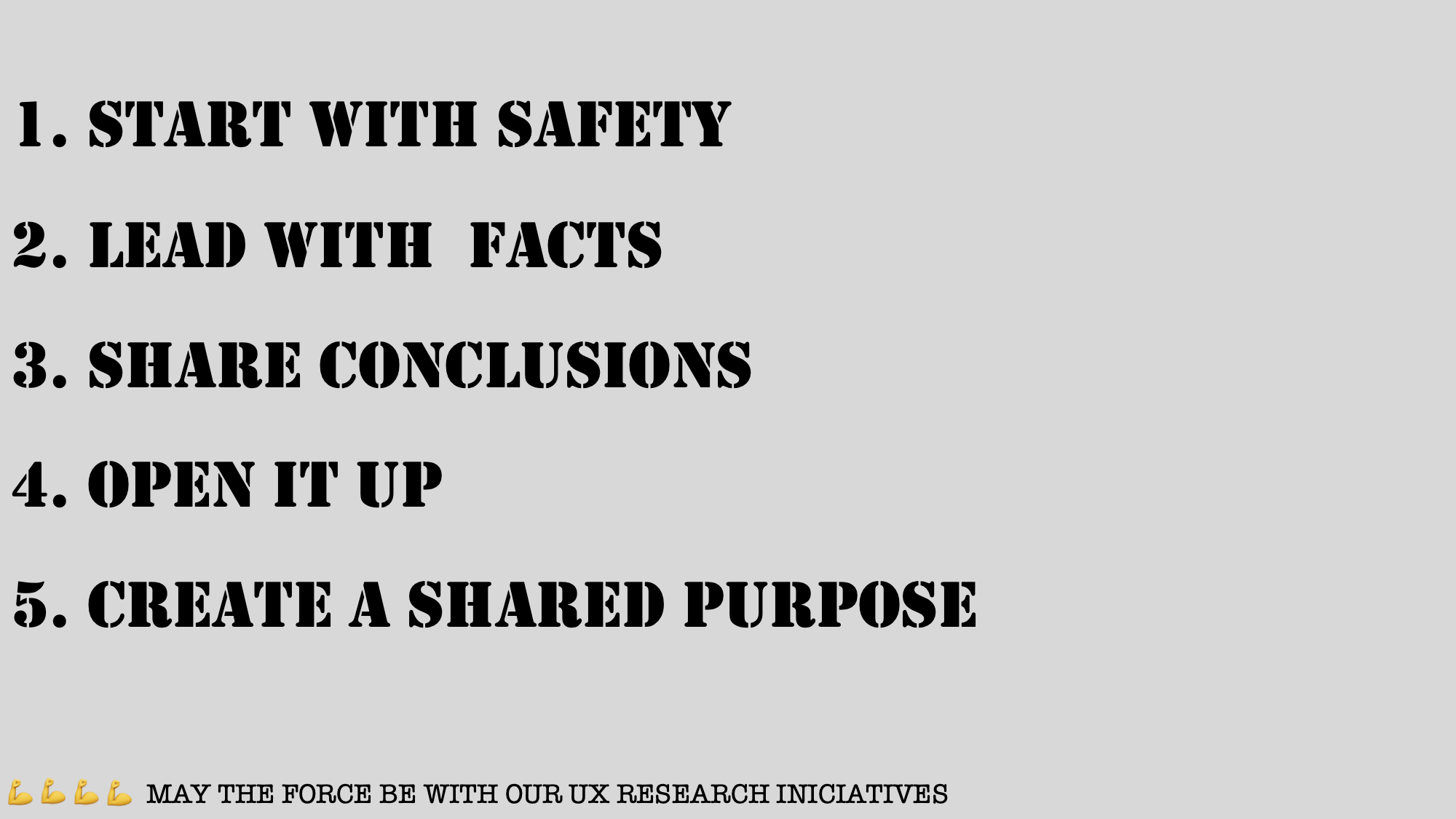
Share your research findings
You can share what you’ve learned by:
- Presenting your findings at show and tells
- Updating your research wall (e.g. a wall in your team space where you put journey maps, personas, insights, screenshots, analytics etc.)
- Share audio or video clips of your research
- Put some quotes from participants on your research wall
This is all great, but user research is only useful if you and your team can use what you’ve learned to improve and iterate your digital product.






Leave A Comment