
A lovely phrase that´s not quite accurate 😉
As user researchers we can never leave our worldview aside, but we can put ourselves on a deliberate act of listening.
Embracing how other people see the world it´s a lot harder that one might think as it really needs willingness, study and practice.
We all know how to ask questions, after all, question-asking is a childhood characteristic, but if we ask questions in interviews/usability tests the way we ask questions in typical social interactions we would probably talk at least 50%, talk about ourselves, our goals… how we see the world.
Interviewing users involves a set of skills, it takes time to learn, to develop and to perfect these skills. Developing these skills requires you to learn how to override things you already know so that you can understand the experience and emotions of the user.
Before conducting interviews i try to put myself in a mindset where i actively want to see “the user as real live person in it´s complexity”. Practice makes it better but not perfect.
User interviews is about learning from users, from people, and be inspired.
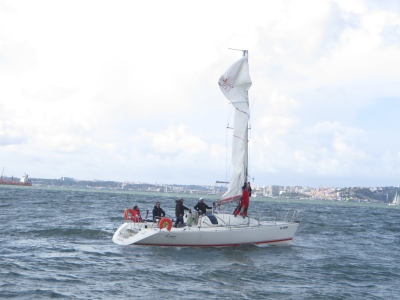
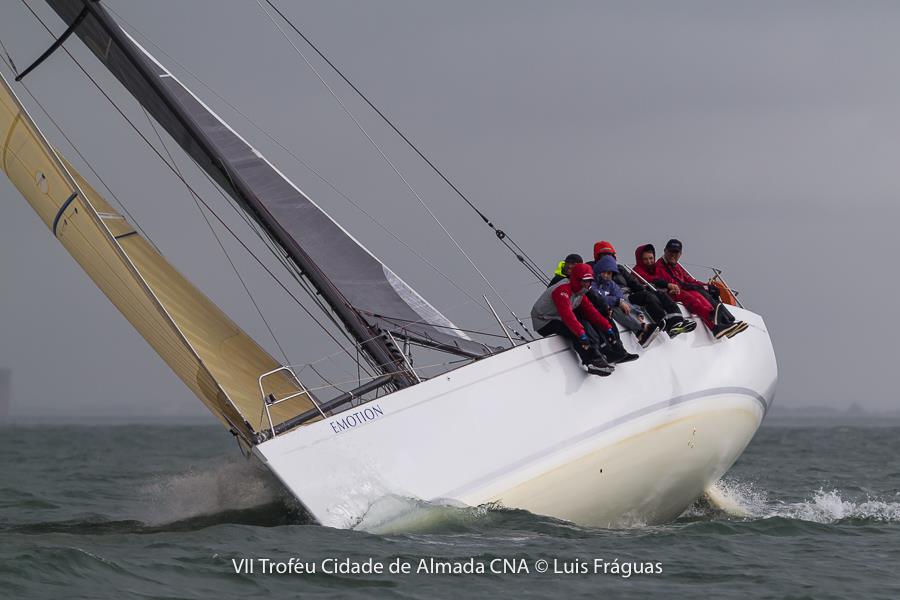
The wind is not an abstraction… (even if you can´t see it). Like your users, if you treat them as abstractions bad things can happen.
When design teams see and truly value the insights from users, it creates a shared experience and something extraordinary happens. The insights project development teams get, makes them enlightened about their users, their needs and pain points and the real implications of their work.
The beautiful thing about getting insights from users is the high return of investment organizations get for conducting interviews and usability tests. They pay high dividends not only for their products and services but also for the people who develop them.
Tactically it´s important to be aware that if you treat your users as abstractions ultimately your business will suffer… A lot like the wind, you cannot see it but it has has a serious impact on the performance of your sailing boat, so one must find ways of making it tangible and understand it´s behavior and characteristics.




Leave A Comment