
Last week I have spend a couple of evenings trying to tune a sailboat mast. Better said then done.
Let´s say, to keep it simple, that the main objective is to have the mast straight both port-starboard and bow-stern, you have a couple of steel cables you have to tight and others you have to loose to get it right.
The 1st question I had to deal with was finding out if the initial setup was based on assumptions or was it research-based (in sailing terms… if it the setup was made with inputs from sea trials, from sailors, during regattas, training runs,…)
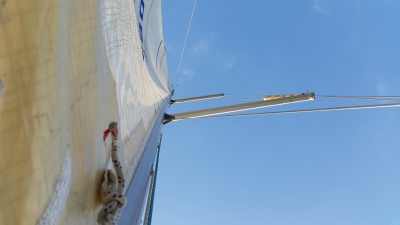
Don’t end up with a perfectly tuned mast while the boat is sitting on the the dock and “big S bend” while sailing.
After asking some “whys?” it became obvious that it was an “ad hoc” approach as the initial setup was based on a heuristic evaluation by the owner,
One thing i have learn is that you have to challenge assumptions. User research is a method that helps organizations… and boat owners… to accomplish this hopefully with low levels of friction.
When we shift from opinions and heuristic evaluations, user research becomes a cornerstone on service design teams, it´s key to increase the credibility and significance of content and a great to tool for managing complexity between business and user needs.
When a service design team relies only on subject matter specialists knowledge it needs to work on the these assumptions so that over time, as assumptions are challenged they become research-based.
As…
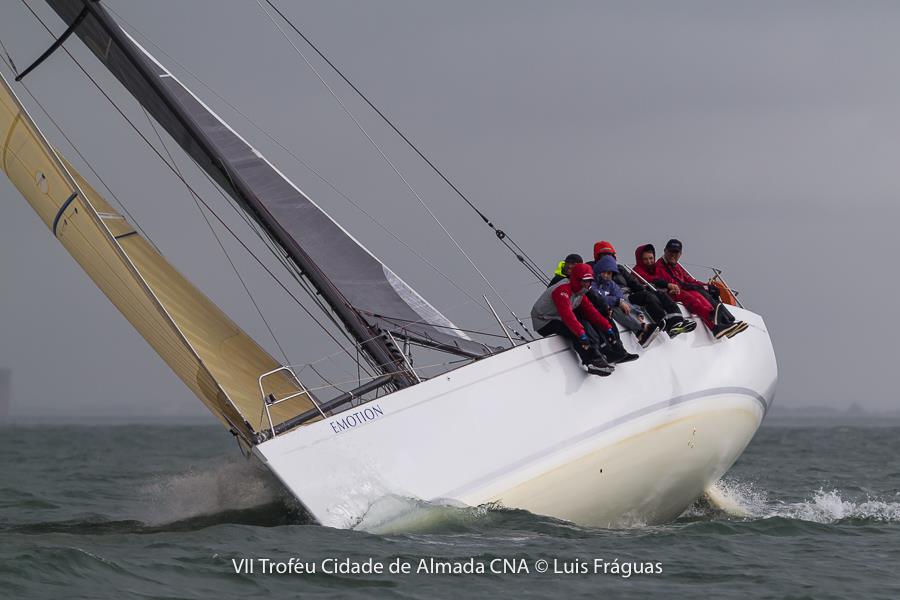
you don’t want to end up with a perfectly tuned mast while the boat is sitting on the the dock and a mast with an “S bend” while sailing.






Leave A Comment