
Last Saturday…
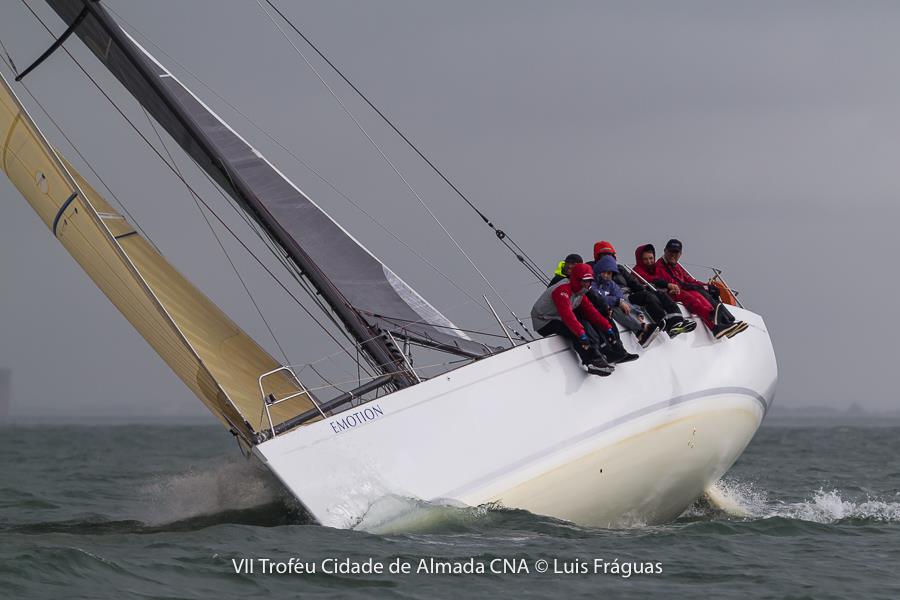
I went racing on a friends’ boat, most of us where knowledgeable sailors and the boat handling was not rocket science, but still, we lacked performance.
It made me wonder about the differences between knowledge and skills and how user research can help service design teams to understand root causes for knowledge and skill gaps.
Designing a digital product is, at its core, designing a journey, journeys have always an underneath experience… and want to create awesome experiences.
Much of what makes a great experience is not the information/content/knowledge in itself, it´s the way it´s created to suit user needs. Good design empowers users with a new or improved capability that can be taken back to the world. This means that we, the design team, must be focused on helping them do the things they need or want to do. To accomplish that we need to know their deep motivations for “being here” so that we can design meaningful paths.
Back to my poor regatta, I wonder if the gap was knowledge, skills, motivation or environment… Sailing is a great sport because the environment is always changing and with that, our knowledge and skills set need to be fine-tuned every time you are out there.
On service design we must address the challenge of the “I wonder if…” statement and we need to start somewhere… so let´s start on getting to know users.
- World – Users/citizens/clients/learners see the world differently, so if we want to design effective experiences we need to understand their view of the world, to experience it, to feel it, to embrace it.
- Goals – What´s their goals. This allows us to design a path with a clear destination. This is very hard to pin down, most times a try and error process. Keep your focus on macro goals but be curious and attentive to users’ micro goals.
- Attention – We need to get user attention and keep it for a while… a lot less then we think. Humans have a limited ability to retain information so it´s paramount that we keep distractions away. Information on our brain does not sit there, users create new connections strengthening or weakening existent ones. Most digital products demand sensory memory (if you choose to pay attention to something or not) and short-term memory (allows us to hold on ideas and thoughts long enough to take action… then most things are discarded). Things like design with consistency (but not too much), avoiding meaningless variations, quality feedback helps out, as telling them stories, surprising them, show them shiny things, and if you are really into it… tell them what others like him are doing and leverage their own habits.
- Motivation – In some boats that I sail I hear sometimes “I know but…” and I always think this is hard one to tackle. Most times, it is not a knowledge problem. Meaning that focusing interventions on knowledge probably it´s not going to change anything. The problem is the “do” not the “know”. The interesting part is that the “I know but…” has its roots on previous experiences and the fact that we learn from experience and this can be a problem, if we learn the wrong thing from experience.
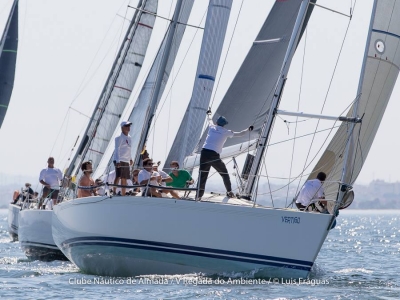
Leaving the dock I thought… is it reasonable to think that users can complete their goals without doing something / without practice even if they have lots of information and knowledge available?
In the world of service design probably not. Users need some type skill to accomplish their goals, and skills need practice… and practice makes it (almost) perfect… almost.
Having the right information, understanding it, trusting it, having it available, is needed for users to perform, but users need to use the information to do things.
So, having the information without knowing how or when to use it, is like having a great boat, a knowledgeable crew and still have a poor result.




Leave A Comment