
From all the benefits of product discovery for a service design team, I really like to figure out if users can use digital products. The great thing about getting insights about this is moving away from opinions to evidences.
Other dimensions closely related to this are business and technical viability and value for the costumer. Great value for the costumer is what set aside great products. When we know beforehand that users will likely use the product, we can have some confidence that we are in the right track, so exploring possibilities for adding value for the user is key.
Coming up with new ideas and approaches and putting the most promising ones into prototypes, makes us realize that only a few ideas will get to be tested with real users, and if we think we can anticipate our users reactions… thing again…again… and again.
We also need to prototype and test before building anything so that we can validate the feasibility, if it´s doable. A great opportunity to share ideas with developers.
On the other hand if you have a service design team that only takes requirements from product managers and create their designs, you will be missing a huge synergy, as designers will be measured by the quality of their outputs, rather then by the success of the product. Product managers and designers are deeply orientated to customers and costumer value, so the concerns between these two roles have many similarities.
If we have the ability to share design ideas, prototypes, users pain points, product value proposition, usability test results, what worked and what didn’t, everybody will understand product context and the purpose of their work and we will develop/maintain a team of missionaries.
Missionaries not mercenaries… for many reasons, but there´s one that I am very fond of – Most times, initial solutions don´t solve the problem, as it takes several approaches and a lot of trying and error to frame the problem in it’s several perspectives.
Mercenaries push solutions. Missionaries are not afraid of disruptive thinking and doing… as they tend to have a deep care for the underlying problem to be solved, rather than defending and protecting what we already have, thus stop creating new value. They care for the problem.
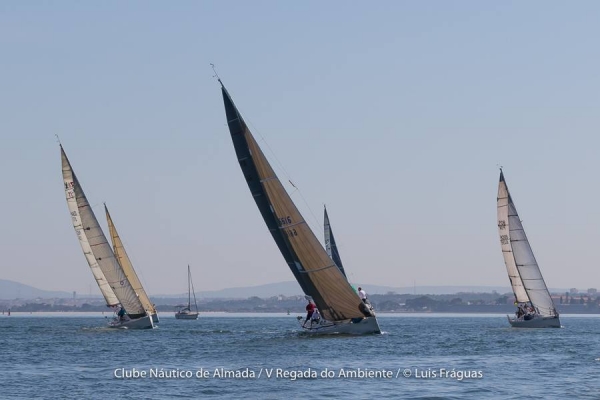
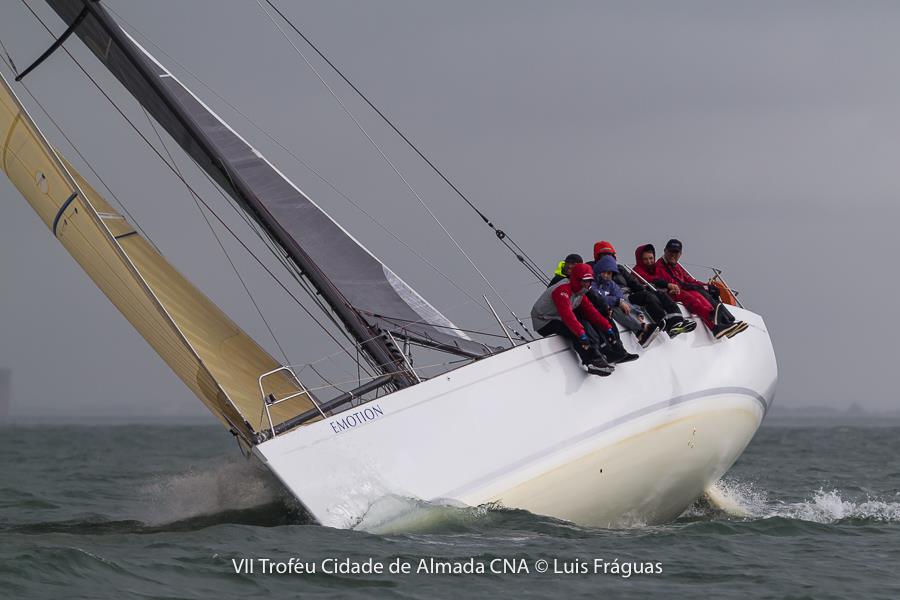
Vasco, our bowman, remembered me this in a recent regatta. He told me ”We should have thought out of the box… instead of defending our position at all cost“. He was right. We did a great regatta with great tactical focus, crew communication and boat handling until we got comfortable and started defending to much… pushing solutions instead of identifying new opportunities.
Result: We lost the lead of the regatta!




Leave A Comment